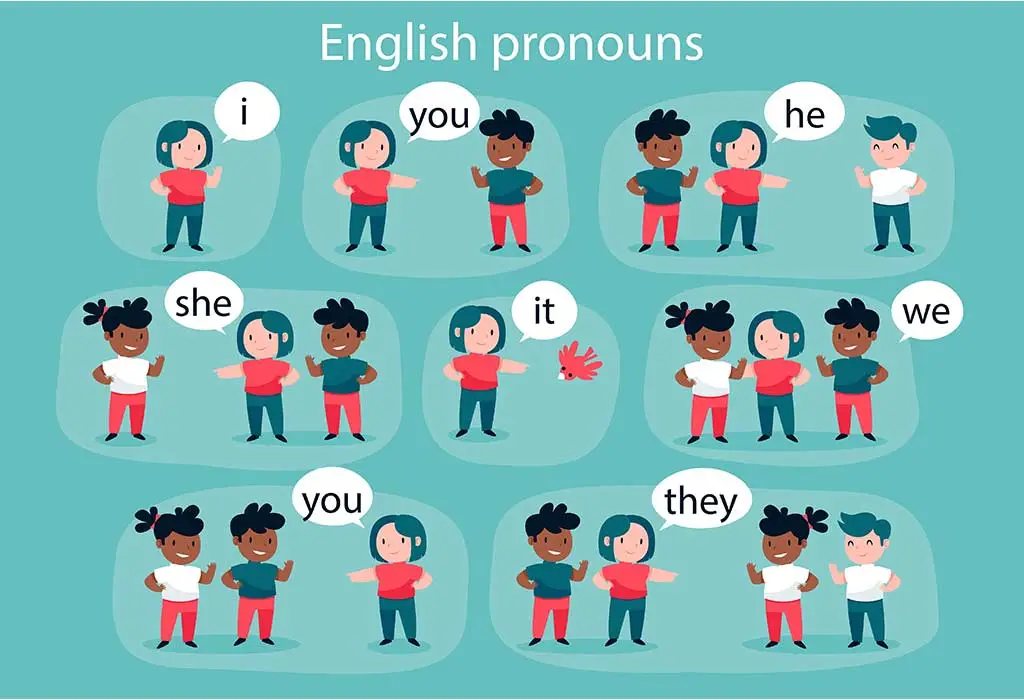
Spoken English is one of the most valuable skills in today’s world. Whether you are traveling, working, studying, or simply communicating with people from different backgrounds, having a good command of spoken English can open doors to countless opportunities. Many learners struggle with fluency and confidence when speaking, but with the right approach and regular practice, anyone can improve their spoken English skills. In this blog, we will explore the fundamental aspects of basics of spoken English, including pronunciation, grammar, vocabulary, and effective speaking techniques.
Importance of Spoken English
English is the most widely spoken language in the world, making it essential for international communication. Here’s why spoken English is important:
Career Growth: Many multinational companies require employees to communicate in English.
Education Opportunities: English is the primary language in many prestigious universities.
Social Confidence: Speaking English fluently can help in social interactions and networking.
Travel Convenience: English is commonly used in tourist destinations worldwide.
Access to Knowledge: A large portion of books, articles, and online resources are in English.
Unlike written English, spoken English allows for a more flexible use of grammar. However, understanding basic grammar rules is essential for clear communication:
Sentence Structure: Follow the basic structure of Subject + Verb + Object (e.g., “I like coffee”).
Tenses: Use appropriate tenses for different situations (e.g., “I go to school every day” for present tense, “I went to school yesterday” for past tense).
Articles & Prepositions: Common errors include incorrect use of “a,” “an,” and “the,” as well as prepositions like “in,” “on,” and “at.”
Questions & Negatives: Learn how to form questions (e.g., “What do you do?”) and negative statements (e.g., “I don’t like spicy food”).
3. Building a Strong Vocabulary
A rich vocabulary allows you to express yourself more effectively. Here’s how you can expand your word bank:
Learn Common Words & Phrases: Focus on frequently used words in everyday conversations.
Use Flashcards: Apps like Anki, Memrise and Quizlet can help you memorize new words.
Read & Listen More: Reading books, newspapers, and listening to English music or podcasts can introduce you to new words.
Practice Contextual Learning: Instead of memorizing isolated words, learn words in context (e.g., “delicious food” instead of just “delicious”).
4. Speaking Fluently & Confidently
Fluency means speaking smoothly without hesitation. Here are some effective techniques to improve fluency:
Think in English: Try to frame your thoughts in English instead of translating from your native language.
Speak Regularly: The more you speak, the more confident and fluent you will become. Find a speaking partner or join an English conversation group.
Record Yourself: Listening to your own speech can help identify areas that need improvement.
Use Simple Sentences: Start with basic sentence structures before attempting complex ones.
Use Filler Words Naturally: Words like “well,” “actually,” “so,” and “you know” can help make conversations sound more natural.
5. Listening Skills
Good listening skills are essential for effective communication. Here’s how you can improve your listening skills:
Watch English Movies & TV Shows: This helps familiarize yourself with different accents and informal speech.
Listen to Podcasts & Audio books: Exposure to various English speakers enhances comprehension.
Practice Active Listening: Focus on understanding the speaker instead of thinking about your response immediately.
Follow English News Channels: News anchors speak clearly and at a moderate pace, making it easier for learners to understand.
6. Overcoming the Fear of Speaking
Many learners hesitate to speak English due to fear of making mistakes. Here’s how to overcome this fear:
Embrace Mistakes: Mistakes are a natural part of learning. Don’t let them discourage you.
Practice in a Comfortable Environment: Start by speaking in front of a mirror or with close friends.
Set Small Goals: Aim to have a short conversation in English every day.
Stay Positive & Motivated: Confidence grows with practice and perseverance.
7. Conversational English for Daily Life
Here are some practical phrases for different situations:
✅ Greetings & Introductions:
“Hello! How are you?”
“Nice to meet you! My name is [Your Name].”
✅ Asking for Help:
“Excuse me, can you help me?”
“Could you please repeat that?”
✅ Ordering at a Restaurant:
“Can I have the menu, please?”
“I would like to order a coffee.”
✅ Shopping Conversations:
“How much does this cost?”
“Do you have this in a different size?”
✅ Making Small Talk:
“What do you do for a living?”
“How’s the weather today?”
8. Best Resources for Learning Spoken English
If you want to improve your spoken English, here are some helpful resources:
Apps: Duolingo, Babbel, Speak English Fluently
Websites: BBC Learning English, TED Talks, FluentU
Online Communities: Reddit English Learning, Facebook English Practice Groups
Language Exchange Platforms: Tandem, Hello Talk, Speaky
Conclusion
Learning to speak English fluently takes time, patience, and practice. Focus on pronunciation, vocabulary, grammar, and real-life conversations. Don’t be afraid to make mistakes—every mistake is an opportunity to learn! Start speaking a little every day, and soon, you’ll gain the confidence to communicate effectively in English.